Chasing Totality: Our 2026 Eclipse Adventure in Spain
We drove across Europe, outran the clouds with minutes to spare, and learned that sometimes the best astrophotography equipment is the ability to stop fiddling with it.
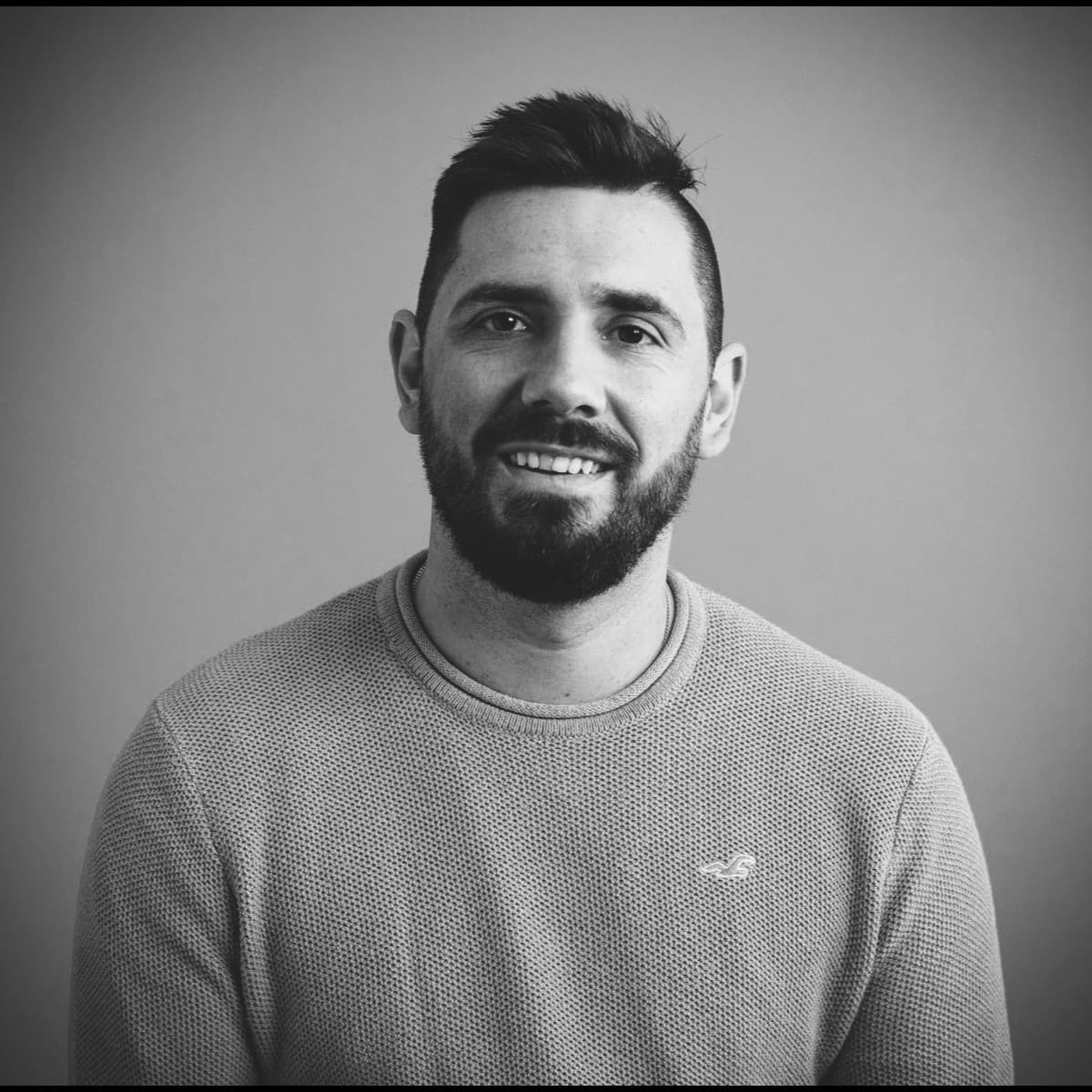
Every now and then, here at BeyondBackyard, we like to escape the comfort of our back gardens, observatories and suspiciously large collections of astronomy equipment and actually go somewhere. This time, that somewhere was northern Spain.
Our good friends Simon and Elaina from The Widescreen Centre had invited us to join them at a house in northern Spain for the 12 August 2026 total solar eclipse. For AstroPhilth, the invitation did not require much consideration. A house in Spain. Good company. Astronomy. A total solar eclipse.
What could possibly go wrong? As it turns out: clouds. Clouds could go wrong.
The plan: automate everything
Having never witnessed totality before, I had one very important goal for this trip: I actually wanted to see it. That might sound obvious, but astrophotographers have an incredible ability to travel halfway across a continent to witness a once-in-a-lifetime astronomical event and then experience the entire thing through a laptop screen. I did not want that.
The photography mattered — obviously — but when totality arrived I wanted to be able to step away from the equipment, take the eclipse glasses off and actually look up. So the plan was automation. Lots of automation.
The cameras would be controlled from the laptop, the telescopes would sit on tracking mounts, everything would be aligned and focused well in advance, and when the eclipse began the equipment could largely look after itself. At least, that was the theory.
The main imaging setups would sit around the 400–500mm focal-length mark, giving enough reach to capture the corona, prominences, Baily's beads and diamond ring while still leaving enough breathing room around the Sun to cope with imperfect framing.
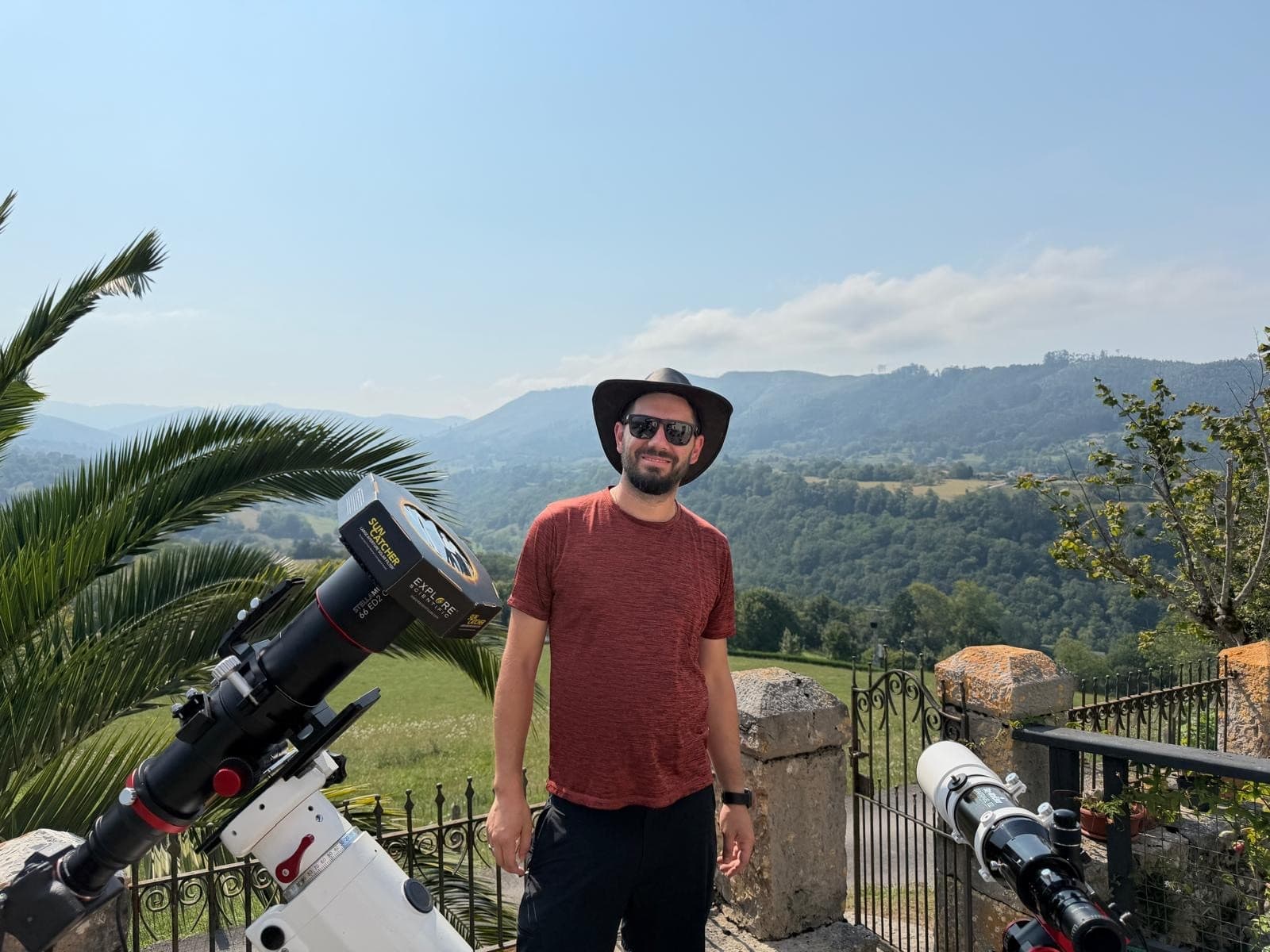
The travelling observatory consisted of:
- Sony A7R II
- Sony A7R IV
- StellaMira 66ED2, loaned by First Light Optics
- Sky-Watcher StarTravel 102
- Sky-Watcher NEQ6, from the BeyondBackyard Test Lab
- ZWO AM3, on loan from The Widescreen Centre
- DayStar Quark Chromosphere
- ZWO ASI174MM
- Laptop running capture software
- Portable power for the whole travelling circus
The idea was simple: set everything up, polar align, focus, connect the cameras, get the capture sequences ready, let the mounts track the Sun. Then, when totality arrived, hands off the equipment. Eyes on the sky.
I'd spent enough time thinking about exposure sequences, brackets, timings and equipment beforehand that I did not want to be worrying about any of it during those precious moments of totality. For once, the computers could do the astrophotography. I was going to watch.
That was the plan. The weather had other ideas.
The long road to Spain
I set off overnight on 10 August with the truck packed full of equipment and headed for the ferry to France. From there began the long drive south. And when we say long, we mean long. France has an incredible ability to look perfectly manageable on a map while simultaneously taking approximately three working days to drive across.
The journey, in order
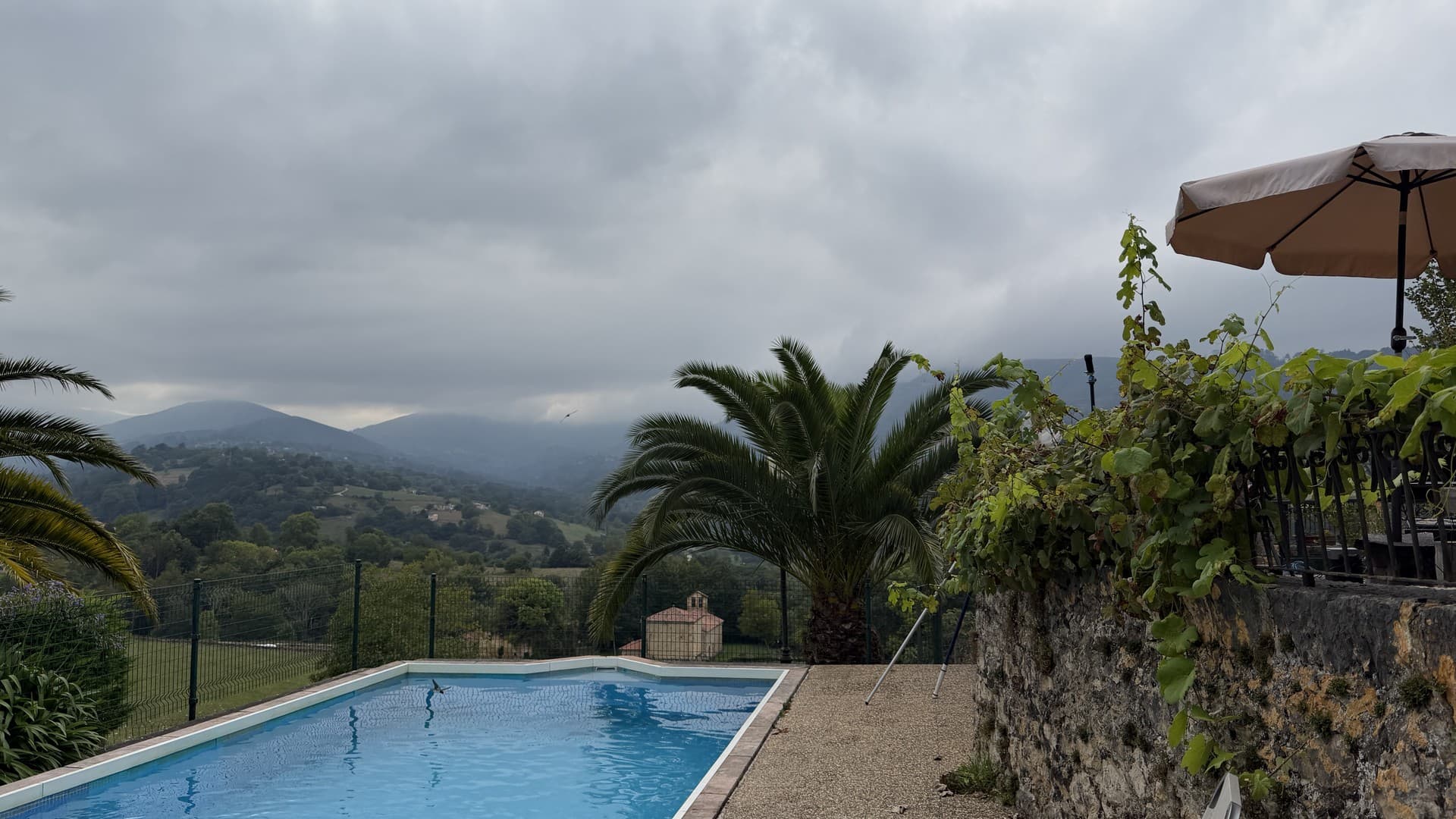
Eventually, around 21 hours later, the mountains of northern Spain came into view. We'd made it.
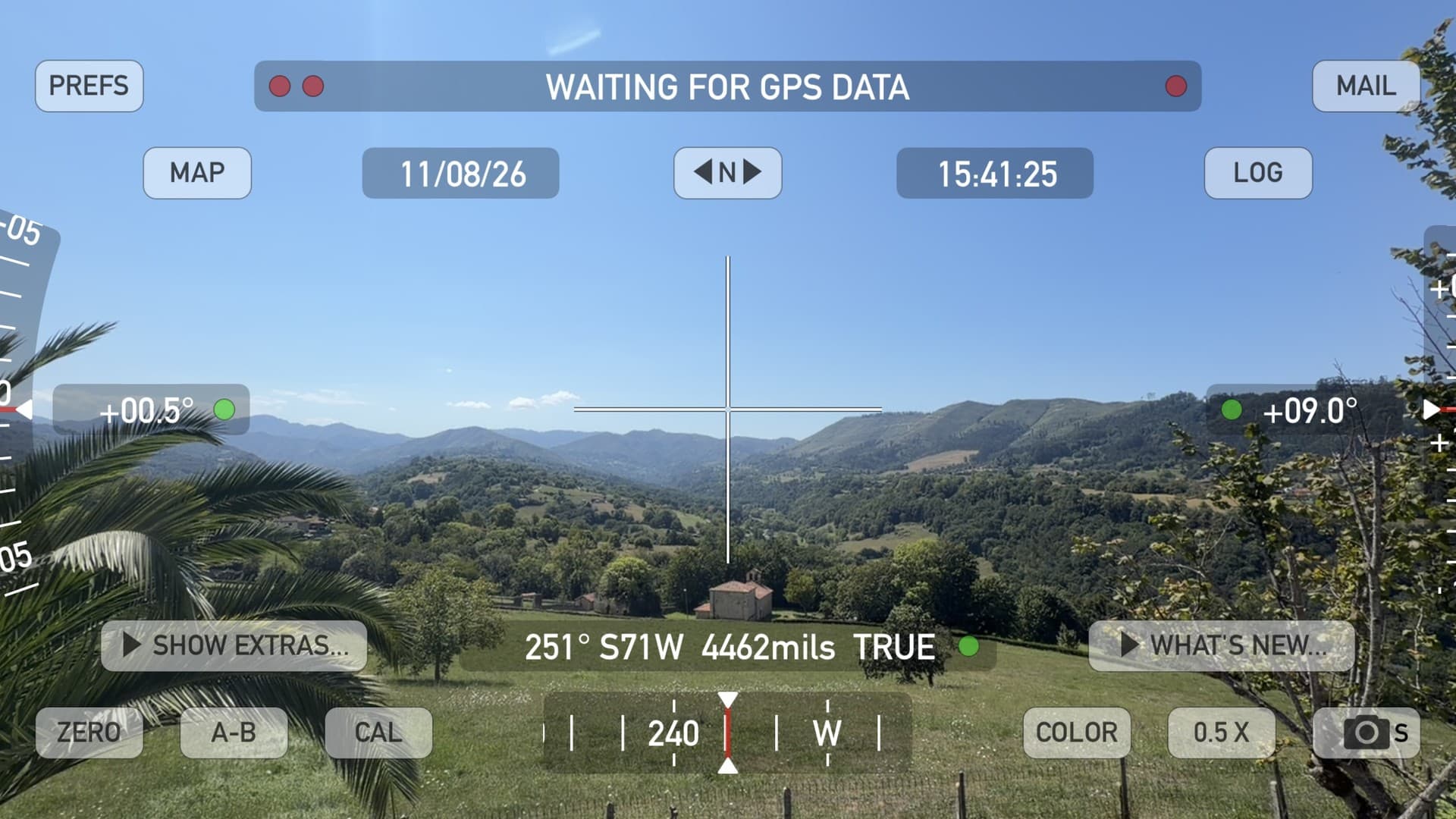
On arrival I was greeted by Simon, Elaina and their lovely dogs. We wandered around the property, worked out where the Sun would be during the eclipse, discussed where we'd position the equipment and generally congratulated ourselves on what appeared to be a remarkably good plan. The weather looked good. The location looked good. The equipment had survived the journey.
Tomorrow we were going to see a total solar eclipse. We went to bed feeling extremely pleased with ourselves. That confidence would prove to be premature.
Eclipse morning
I woke early the following morning with the sort of excitement normally reserved for children on Christmas Day. Except instead of running downstairs to see whether Father Christmas had been, I immediately started assembling a hydrogen-alpha telescope.
Completely normal behaviour.
We promise.
Before the main event, I used the DayStar Quark and ASI174MM to capture data for a solar mosaic. The Sun looked fantastic. More importantly: there was blue sky.
Once that was finished, everything was packed down and moved to the position we'd chosen for the eclipse. Then came the setup: mounts out, scopes mounted, cameras attached, laptop out, cables everywhere, power connected, software running, tracking tested, focus checked, capture sequences prepared.
The idea was to get absolutely everything done now so that later I could simply press go, step away from the equipment and experience totality with my own eyes. A huge help here was PS Align Pro: it has a daylight alignment system that allowed me to get the mounts roughly polar aligned while the Sun was still high in the sky. For only a few pounds as a lifetime purchase, it turned out to be one of the most useful bits of software I'd brought with me.
Instead of waiting for darkness — which, for fairly obvious reasons, was not going to arrive before the solar eclipse — I could get the mounts pointing roughly north and tracking accurately enough for what we needed. Everything worked. Everything was ready. This was going suspiciously well.
We'd driven across Europe. We'd made it into the path of totality. The equipment was assembled. The automation was ready. The mounts were tracking. Now we could finally relax. Maybe jump in the pool. Maybe grab something to eat. Maybe —
Hang on. What's that? Over the mountain. Is that… cloud?
The plan lasted until the weather arrived
With less than two hours until totality, cloud began building over exactly the part of the sky we'd spent the previous day making sure we had a perfect view of. Phones immediately came out. Weather apps opened, satellite imagery loaded, forecasts refreshed. Then refreshed again. And again. Because apparently repeatedly refreshing the same weather forecast is an accepted form of negotiation.
It was not good. The forecast had shifted. East of us: cloud. West of us: cloud. Our carefully selected observing location: rapidly becoming cloud. Months of planning had just met the one piece of equipment astrophotographers have never successfully controlled: the atmosphere.
There was not time to debate it. Everything we'd spent the day carefully assembling had to come apart. The automated imaging station? Gone. The carefully aligned tracking mounts? Forget them. The laptop-controlled capture sequences I'd spent ages preparing specifically so I would not have to touch the cameras during totality? They were about to become significantly less useful.
Scopes were pulled from mounts. Cameras grabbed. Portable battery thrown into the truck. Anything essential came with us. Everything else stayed behind. We jumped in and headed south.
Chasing the Sun
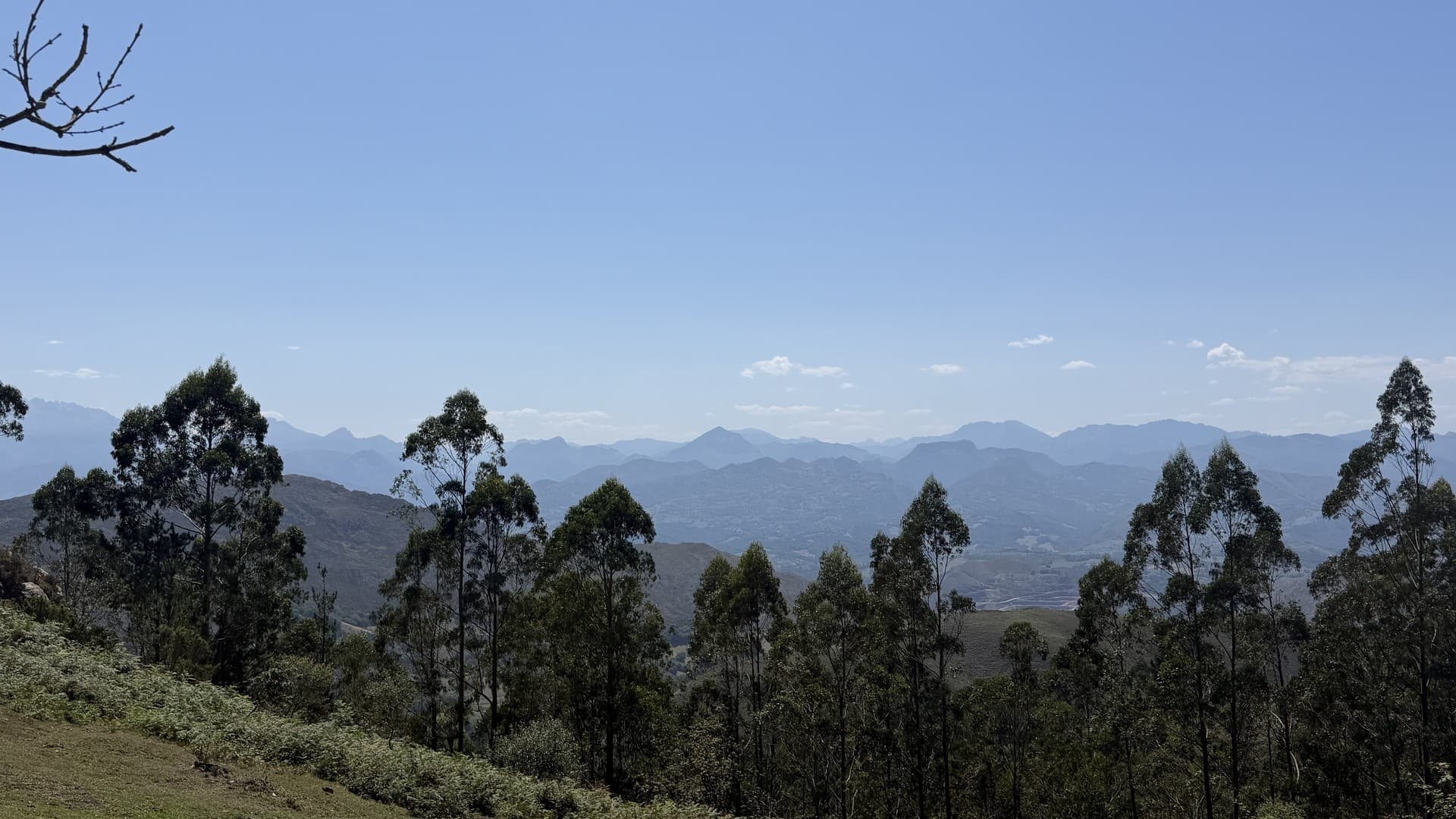
We could not simply find somewhere sunny. We had to find somewhere sunny that was still inside the path of totality. And we had to do it quickly. Northern Spain's mountains suddenly turned the whole exercise into a giant geographical puzzle.
We followed the signs towards León. Unfortunately, everyone else had apparently opened the same weather apps. Traffic built. We passed an accident. Then roadworks. Then more traffic. The clock kept ticking.
Then, after nearly an hour of driving… sunlight. Actual sunlight. For the first time since leaving the house, we thought: we're going to see it. But looking behind us revealed a slight problem. The cloud was still coming. We were not far enough ahead.
So we kept driving. Higher into the mountains. Further south. Further from the cloud. The higher we climbed, the further the cloud bank seemed to fall behind us. And then came another realisation.
First contact had already happened. The eclipse had started. We'd missed the beginning. At this point I genuinely did not care. There was only one objective left.
Do not miss totality.
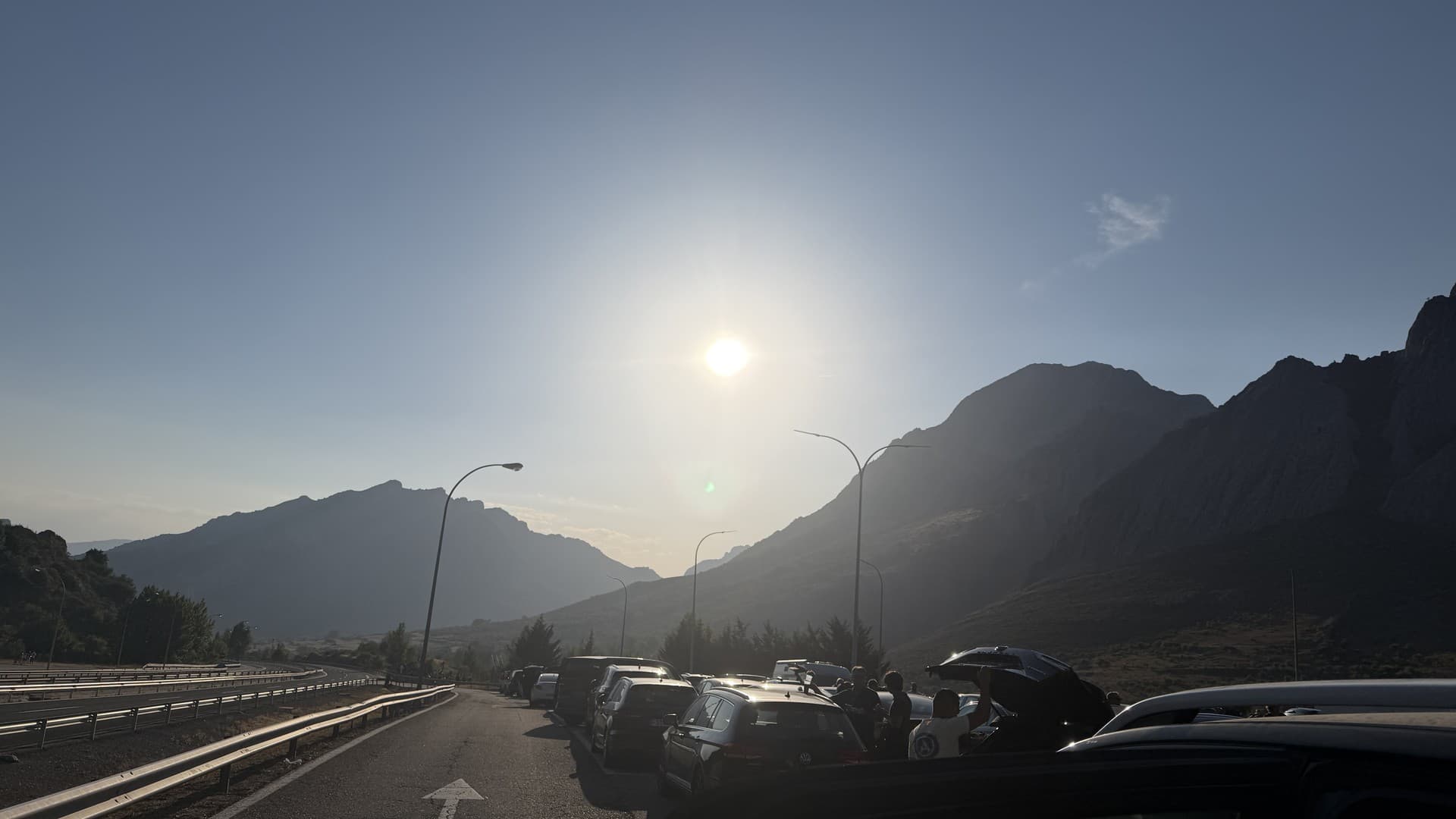
As we climbed further into the mountains, it became obvious that we were not the only people attempting to outrun the weather. Thousands of people were doing exactly the same thing. Every viewpoint was packed. Every lay-by was full. Cars were parked anywhere remotely capable of supporting four tyres. People were standing beside the road holding eclipse glasses, cameras, binoculars and telescopes. Police were waving vehicles onwards because there simply was not any more room.
One lay-by. Full. Next one. Full. Another. Full. The clock kept ticking. Then we saw it. A petrol station. Not normally the most exciting thing to discover on a Spanish mountain road. Except this petrol station had a car park approximately the size of an IKEA. It was also absolutely rammed.
But there were only 18 minutes until totality. We were done driving.
Eighteen minutes
We pulled into the car park and ditched the truck. Tailgate down. Doors open. Scopes out. Cameras out. And then the reality of what we'd just done hit me.
I'd spent hours preparing an automated eclipse imaging system specifically so I could enjoy totality without touching a camera. The mounts were back at the house. The laptop-controlled setup was gone. We had no tracking. Mobile signal was struggling because several thousand other people were presumably all trying to check exactly the same eclipse information.
There was not even enough time to properly establish our coordinates and configure everything again. So after all the planning, all the automation, all the software, all the tracking — we went back approximately 150 years in astrophotography technology.
Point telescope at Sun. The Sony cameras went onto the telescopes and the scopes effectively became enormous manual telephoto lenses. Forget tracking. Forget automation. Forget elegant capture sequences.
Find Sun. Focus. Shoot. Reframe. Shoot. Try not to swear.
And somehow… it worked.
And then the world changed
As totality approached, something happened that no amount of planning had prepared me for. The light changed. Not like sunset. Not like a cloud passing overhead. It became wrong. The landscape seemed to lose its warmth. The temperature dropped. Shadows became incredibly sharp.
Thousands of people who, only minutes earlier, had been running around assembling cameras and telescopes began looking upwards. The remaining crescent of the Sun became thinner. And thinner. And thinner. Then came Baily's beads. The final points of sunlight disappeared behind the lunar surface.
“For the first time in my life, I was looking at a black disc hanging in the sky surrounded by the brilliant white solar corona.”
And this is the part photographs simply cannot explain. I'd seen thousands of eclipse photographs. I'd watched videos. I'd processed images. I'd read about totality. None of them came remotely close.
The corona looked enormous. The sky was dark. The horizon still carried colour. And hanging above us was something my brain knew perfectly well was the Moon blocking the Sun, yet somehow looked completely impossible.
I'd spent months planning how to photograph this moment. I'd driven across Europe. I'd brought two tracking mounts, two telescopes, two cameras, a laptop, automated capture software, power systems, solar equipment. I'd spent hours getting everything aligned so that when this exact moment arrived, I would not need to touch any of it.
Then we'd abandoned virtually the entire setup, raced through the mountains, missed first contact and ended up photographing the eclipse manually from the back of a Ford Ranger in a packed petrol station car park.
Astrophotography planning at its finest.
But we'd done it. We'd outrun the cloud. We'd stayed inside the path of totality. And most importantly, despite everything that had happened, I did exactly what I'd wanted to do from the beginning.
I stopped worrying about the equipment. I looked up. And I watched my first total solar eclipse. The cameras still fired. We still got photographs. But for those few minutes, the photographs became secondary.
The lesson
You can plan for months, automate every exposure and chase a forecast across a continent — but sometimes the thing that matters most is knowing when to step away from the gear and just look up.
We'd chased totality across northern Spain. And somehow, with 18 minutes to spare, we'd caught it.
The final count.
21 hours of driving. Two abandoned tracking mounts. One Ford Ranger. One petrol station. Zero regrets.
BeyondBackyard Blog
New imaging projects, reviews, builds and print releases — delivered to your inbox.
No spam, unsubscribe anytime. We respect your dark skies.
Comments
Comments are not yet configured. Set NEXT_PUBLIC_GISCUS_REPO and NEXT_PUBLIC_GISCUS_REPO_ID to enable Giscus.
Read next
All posts
Welcome to BeyondBackyard
A place for deep-sky images, observatory builds, tutorials and the real story of what happens behind the camera.
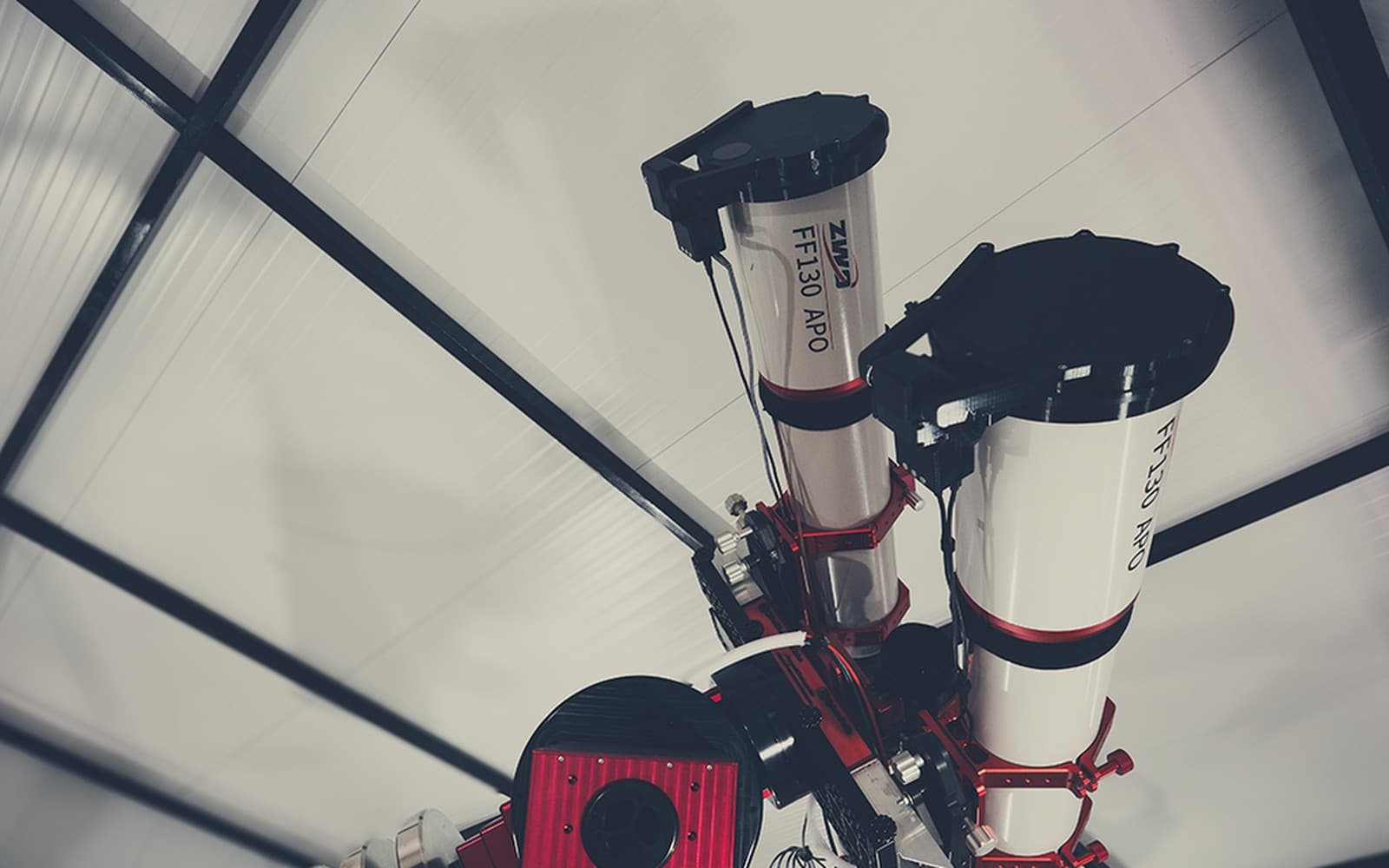
Backfocus in Astrophotography: The Complete Guide
How to calculate your imaging train, understand the 55 mm rule and achieve sharp stars from centre to corner.
Browse guides
Practical astrophotography tutorials.